How Phone Verified Facebook Accounts Help Reduce Security Checks in Ad Campaigns
Running ads on Facebook is not always simple, especially when you manage several campaigns at the same time. Many advertisers face a common problem: security checks, login verification, or ID requests that interrupt their campaigns.
For people who run ads regularly, account stability becomes very important. If an account suddenly gets restricted or asked for verification, the campaign can stop immediately.
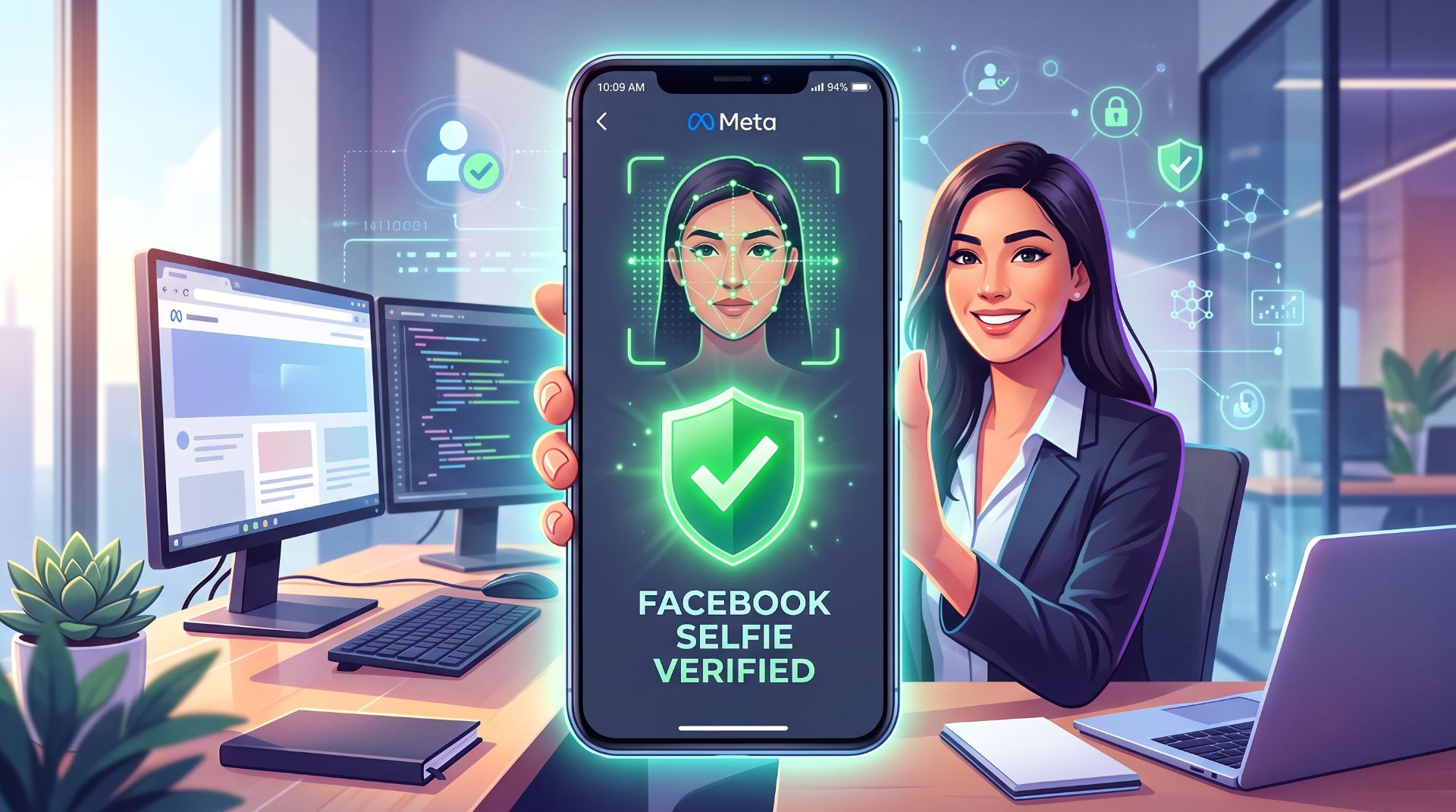
This is one reason many advertisers prefer phone verified facebook accounts. These accounts already have a verified phone number, which adds an extra layer of trust to the profile. When the account is used carefully with the right setup, it can help reduce unnecessary security checks.
But verification alone is not enough. The way the account is managed also plays a big role in keeping campaigns stable.
Why Facebook Sometimes Triggers Security Checks
Facebook constantly monitors account activity to keep the platform safe. Their system checks many things, such as login location, device type, and advertising behavior.
Security checks usually happen when the system notices something unusual.
Some common reasons include:
- Logging in from different countries within a short time
- Switching devices too often
- Starting large ad campaigns on a fresh account
- Running many campaigns very quickly
- Using unstable internet connections or changing IP addresses
When this happens, Facebook may temporarily pause activity or ask for identity verification.
For advertisers, this can interrupt ad campaigns and cause delays.
How Phone Verification Helps Build Trust
A phone number connected to a Facebook profile acts as an additional identity signal. It tells the platform that the account has been verified through a real mobile number.
Because of this, phone verified facebook accounts often appear more trustworthy inside the system.
Some advantages include:
- Stronger account identity signals
- Easier recovery if login problems happen
- Better security protection
- More stability when running ads
However, even verified accounts can face problems if they are used in an unsafe environment.
Why Advertisers Use Verified Facebook Ad Accounts
Many media buyers use verified facebook ad accounts for long-term advertising.
These accounts are commonly used for:
- Running multiple ad campaigns
- Testing different marketing offers
- Managing ads for different clients
- Promoting e-commerce or affiliate products
Since advertising requires stable access, verified accounts can help reduce the chances of sudden security checks.
But advertisers also focus on another important thing: keeping the login environment consistent.
Keeping a Stable Login Environment
Facebook tracks the device and browser used to access an account. If the device or system settings change frequently, the platform may treat it as suspicious activity.
To avoid this, experienced advertisers try to keep everything consistent.
Some common practices include:
- Using the same browser profile every time
- Avoiding frequent device changes
- Keeping login sessions active
- Using the same computer for regular access
This creates a normal activity pattern that looks natural to Facebook’s system.
Why Proxy Usage Is Important
When managing multiple accounts, the internet connection also matters.
If many accounts log in from the same IP address or if the IP location changes often, Facebook may trigger security checks.
To prevent this, many advertisers use residential proxies.
Proxies help by:
- Keeping login locations stable
- Matching the account region with the IP address
- Avoiding sudden location changes
- Giving each account its own connection
For example, if an account is meant for U.S. advertising, using a U.S. residential IP helps maintain consistency.
Warming Up Accounts Before Running Ads
Running ads immediately after logging into an account can sometimes look unnatural to Facebook.
Because of this, many advertisers warm up accounts slowly before starting large campaigns.
This process usually includes:
- Browsing the Facebook feed normally
- Liking or interacting with a few posts
- The following pages are related to the niche.
- Creating a business page gradually
- Starting with small test ads
This makes the account activity look more natural.
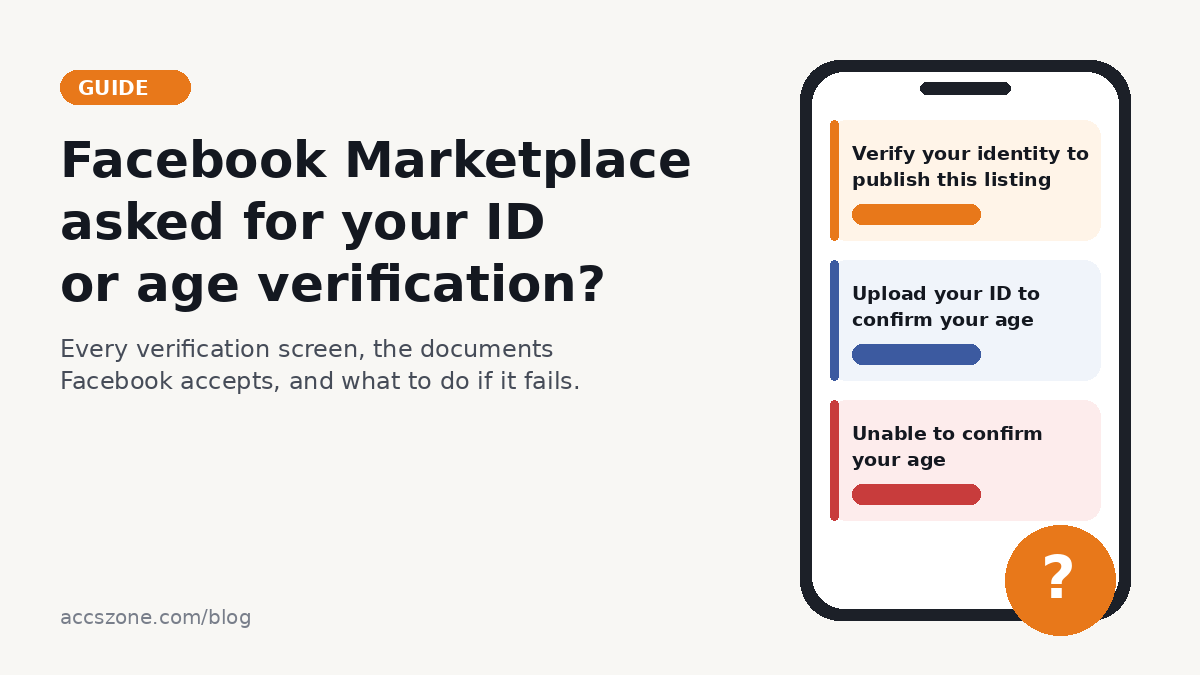
Reducing the Risk of ID Verification
ID verification requests usually happen when the system detects unusual behavior. To lower the chances of this happening, advertisers often follow a few basic rules.
- Always use the same device.
- Maintain a stable IP address.
- Avoid increasing ad budgets too quickly.
- Scale campaigns slowly
- Keep account activity natural.
These steps help maintain a normal usage pattern.
Why Some Businesses Buy Verified Facebook Accounts
Some advertisers choose to buy verified facebook accounts when they need multiple profiles for testing campaigns or managing different projects.
Accounts that already have phone verification and some history may appear more natural compared to brand-new profiles.
However, professional advertisers still focus on safe usage.
Even verified accounts should always be managed with:
- Stable proxy connections
- Dedicated browser profiles
- Gradual advertising activity
- Consistent login behavior
Without these precautions, any account can still face restrictions.
Best Practices for Managing Multiple Accounts
In order to maintain stability, advertisers who manage multiple accounts typically follow several crucial guidelines.
Helpful practices include:
- Using one proxy for each account
- Creating separate browser environments
- Avoiding duplicate ad campaigns across accounts
- Running ads gradually instead of suddenly scaling
- Keeping login activity consistent
These habits help reduce unusual patterns that might trigger security checks.
Conclusion
Managing advertising campaigns on Facebook requires careful handling of accounts and a stable technical setup. The platform closely monitors activity, and sudden changes in login behavior or advertising patterns can lead to security checks.
Using phone verified facebook accounts adds an extra layer of identity verification, which helps strengthen account trust inside the system. When combined with stable login environments, proper proxy usage, and gradual campaign activity, advertisers can run campaigns more smoothly.
For advertisers using platforms like Accsbulk to manage multiple accounts, understanding these technical practices is essential. Following safe account management strategies helps reduce verification issues and keeps advertising campaigns running without unnecessary interruptions.
Frequently Asked Questions (FAQs)
1. What are Phone Verified Facebook Accounts?
Phone Verified Facebook Accounts are profiles confirmed with a mobile phone number. This verification adds an extra layer of trust and helps strengthen the account’s identity when running advertising campaigns.
2. Can Phone Verified Facebook Accounts reduce security checks?
Yes, they can help reduce certain security checks because the account already has phone verification. However, advertisers still need to maintain stable login activity and proper account handling.
3. Why do advertisers use proxies with Facebook accounts?
Proxies help keep the login location and IP address consistent. This prevents sudden location changes that could trigger Facebook security alerts or verification checks.
4. How should a Facebook account be warmed up before running ads?
Advertisers usually warm up accounts by browsing the feed, interacting with posts, and gradually starting small ads. This helps create natural activity before running larger campaigns.
5. What are the safest practices when managing multiple Facebook accounts?
Using a stable device, dedicated proxies, and consistent login behavior helps reduce risk. Advertisers should also scale campaigns slowly instead of launching large ads immediately.